

Deep Sleep Is Where Recovery Actually Happens
Most people think of sleep as a single block of rest. You close your eyes, hours pass, you wake up. But sleep is far more structured than that — and the quality of your recovery depends almost entirely on what happens inside a specific window of time each night: deep sleep.
Deep sleep, also called slow-wave sleep, is the phase where your body does its most essential repair work. Muscle tissue rebuilds. The immune system activates. Growth hormone surges. Your brain consolidates memory and flushes out metabolic waste. Without enough of it, everything downstream suffers — your training, your focus, your mood, your decision-making.
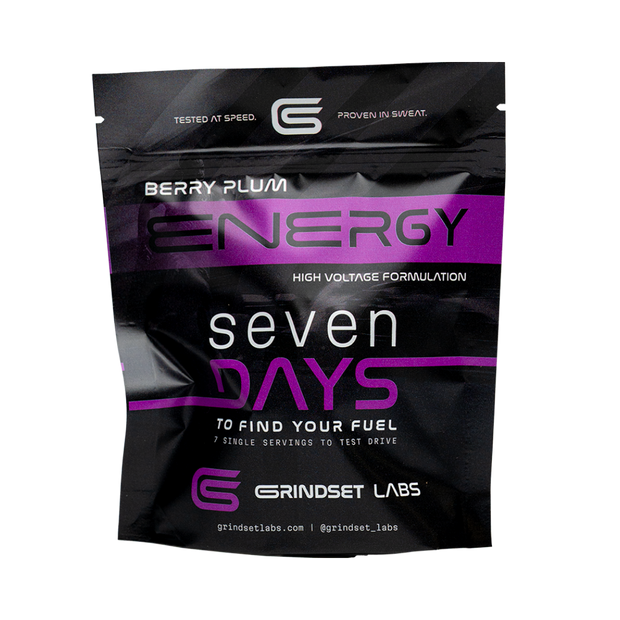
At Grindset Labs, we treat sleep as a performance discipline, not an afterthought. Understanding the biology behind deep sleep is the first step toward doing something intentional about it — and this guide gives you exactly that.
What Is Deep Sleep, Scientifically Speaking?
Deep sleep refers to Stage 3 of non-REM (NREM) sleep, technically classified as slow-wave sleep (SWS). It is characterized by delta brain waves — low frequency, high amplitude oscillations that indicate a state of profound neurological quiet. During this stage, your heart rate slows, breathing becomes regular, muscles relax fully, and your body temperature drops to its lowest point of the night.
This stage is the hardest to wake from. People roused from deep sleep often feel severely disoriented — a phenomenon called sleep inertia — because the brain is engaged in deep, synchronous activity that takes time to interrupt. It is also the stage that is most affected by lifestyle choices, chronological aging, and environmental disruption.
Adults typically spend 15 to 20 percent of their total sleep time in slow-wave sleep. In practical terms, that is roughly 60 to 90 minutes of a full 7 to 9 hour night. Miss that window — through alcohol, late screens, irregular timing, or poor recovery habits — and the downstream consequences compound fast.
The Four Stages of Sleep and Why Deep Sleep Is Different
To understand why deep sleep matters, it helps to understand how it fits into the architecture of a full sleep cycle. You cycle through four stages multiple times per night, with each full cycle lasting roughly 90 minutes.
Stage 1 — Light NREM Sleep
This is the transition between wakefulness and sleep. Your muscles may twitch, your thoughts drift. This stage lasts only a few minutes and is easily disrupted.
Stage 2 — Core NREM Sleep
Brain activity slows further. Sleep spindles — brief bursts of neural activity — occur during this stage. Your body temperature continues to drop and heart rate slows. This makes up the largest proportion of a sleep cycle.
Stage 3 — Deep NREM Sleep (Slow-Wave Sleep)
Delta waves dominate. This is where physical restoration, immune function, and hormonal release are concentrated. You are at your hardest to wake and most difficult to disturb. This is the stage that matters most for physical recovery.
Stage 4 — REM Sleep
Rapid Eye Movement sleep is when dreaming occurs and emotional memory processing takes place. REM is critical for cognitive function, but it is deep sleep that carries the bulk of the physical recovery load.
Deep sleep is disproportionately weighted toward the early part of the night. The first two sleep cycles — the first three hours after falling asleep — contain the highest concentrations of slow-wave sleep. This is one reason why going to bed late consistently is so damaging: you lose the most restorative phase first.
What Deep Sleep Does to Your Brain
The brain uses deep sleep to perform functions that are impossible during wakefulness. Two of the most important:
Glymphatic Clearance
During slow-wave sleep, the glymphatic system — a network of channels surrounding brain cells — becomes highly active. Cerebrospinal fluid flows through the brain at a significantly higher rate, flushing out metabolic waste products including beta-amyloid and tau proteins. These are the same proteins associated with neurodegenerative disease when they accumulate over time. Deep sleep is, in a very literal sense, how your brain cleans itself.
Memory Consolidation
Deep sleep plays a critical role in transferring information from short-term to long-term memory. What you learned, practiced, or processed during the day gets encoded during slow-wave sleep. Athletes and knowledge workers alike who consistently shortchange this stage often report poor skill retention, reduced pattern recognition, and difficulty maintaining focus under cognitive load.
If mental sharpness is part of your daily performance standard, the quality of your deep sleep is one of the most controllable variables available to you.
What Deep Sleep Does to Your Body
The physical restoration that happens during deep sleep is equally significant. If you train, recover, or operate at a physically demanding level, the following processes are central to your output.
Growth Hormone Release
The majority of daily growth hormone secretion occurs during slow-wave sleep, specifically in the first deep sleep cycle of the night. Growth hormone drives tissue repair, muscle protein synthesis, fat metabolism, and cellular regeneration. Disrupting deep sleep — even with one night of late or fragmented sleep — measurably suppresses this hormonal output.
Muscle and Connective Tissue Repair
Microtears in muscle fiber from training are repaired during deep sleep. This is when the adaptation signal from your workout actually gets executed at the cellular level. Without adequate slow-wave sleep, the adaptation is blunted. You did the work, but your body could not complete the upgrade.
Immune System Activation
Deep sleep is when cytokine production peaks — signaling proteins that coordinate immune responses, regulate inflammation, and support systemic defense. Chronic sleep deprivation has been directly linked to suppressed immune function, higher rates of illness, and slower recovery from both training and injury.
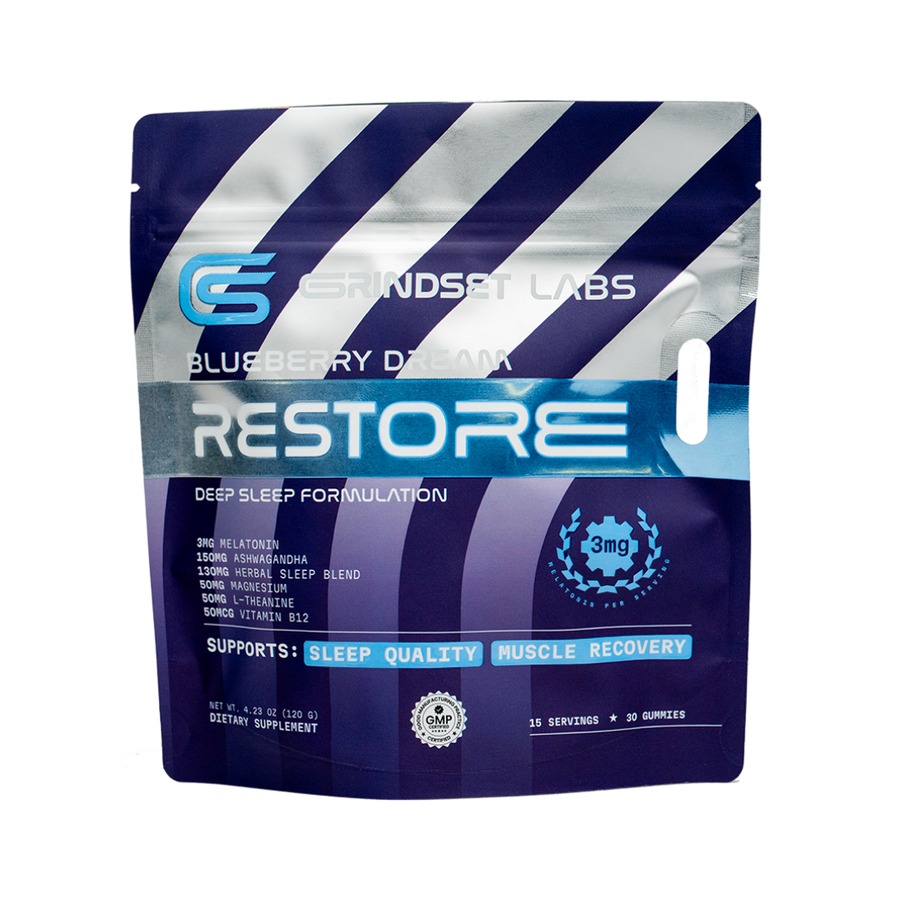
For anyone using a structured supplement and training approach, nighttime recovery is where the results are actually built. Explore how
For anyone using a structured supplement and training approach, nighttime recovery is where the results are actually built. Explore how Grindset Labs Restore Gummies are designed to support the biological conditions for quality deep sleep.
How Your Daily Lifestyle Affects Deep Sleep Quality
Deep sleep does not exist in isolation — it is the output of everything you do during the day. These are the lifestyle variables with the highest impact on slow-wave sleep quantity and quality.
Caffeine Timing
Caffeine blocks adenosine receptors — the molecule that drives sleep pressure throughout the day. Even when you feel like caffeine no longer affects you, it measurably reduces slow-wave sleep duration. Cutting off caffeine by early afternoon is one of the highest-return habit changes available for improving deep sleep.
Alcohol Consumption
Alcohol suppresses slow-wave sleep even when it appears to accelerate initial sleep onset. People who drink before bed often fall asleep faster but spend significantly less time in deep sleep — and experience higher rates of sleep fragmentation in the second half of the night. Net recovery quality is worse, not better.
Training Load and Timing
High-intensity exercise increases the proportion of deep sleep — but only when scheduled appropriately. Late-evening workouts within two to three hours of sleep can elevate core body temperature and cortisol, delaying sleep onset and reducing early-night deep sleep. Training in the morning or early afternoon gives your system time to recover and prime itself for a high-quality night.
Stress and Cortisol
Cortisol and deep sleep are inversely related. Elevated stress, unresolved emotional load, and high-output days without intentional wind-down routines all drive cortisol levels that compete directly with the hormonal environment needed for slow-wave sleep. Managing stress as a daily discipline — not just a reactive practice — directly protects deep sleep architecture.
Building a consistent pre-sleep routine is one of the most effective ways to regulate cortisol and signal your nervous system that deep sleep is the next priority.
Signs You Are Not Getting Enough Deep Sleep
Because deep sleep is not something you can consciously observe, most people do not realize they are missing it until the downstream symptoms accumulate. Common indicators include:
• Waking up unrefreshed despite a full night in bed
• Persistent mental fog or difficulty concentrating during the first half of the day
• Delayed muscle soreness that lingers longer than expected after training
• Increased appetite, particularly for high-calorie foods — deep sleep deprivation disrupts ghrelin and leptin balance
• Emotional reactivity, low frustration tolerance, or mood instability
• Frequent illness or slow recovery from minor infections
If multiple of these patterns are consistent for you, your sleep architecture — not just your sleep duration — may need attention.
How to Increase Deep Sleep Naturally
Unlike REM sleep, which cannot easily be forced, slow-wave sleep is highly responsive to environmental and behavioral inputs. These are the most evidence-supported approaches:
Keep a Consistent Sleep Schedule
Your circadian rhythm regulates when your body initiates deep sleep. Going to bed and waking at consistent times — even on weekends — synchronizes this biological clock and maximizes the early-night window when slow-wave sleep is most concentrated.
Cool Your Sleep Environment
Core body temperature needs to fall for deep sleep to be initiated and maintained. A bedroom temperature between 65 and 68 degrees Fahrenheit is the optimal range for most people. If you tend to sleep warm, lighter bedding and a fan or A/C can make a meaningful difference.
Eliminate Light During Sleep
Even low-level light exposure during sleep suppresses melatonin and fragments sleep architecture. Blackout curtains or a quality sleep mask are among the highest-return investments available for sleep quality.
Reduce Late-Night Eating
Large meals within two hours of sleep force active digestion, elevate core temperature, and compete with the physiological conditions needed for slow-wave sleep onset. A lighter, protein-forward meal earlier in the evening is a better setup.
For a complete overview of environment and timing strategies that support sleep onset and quality, see our guide on how to fall asleep faster without feeling groggy.
The Role of Supplements in Supporting Deep Sleep
No supplement creates deep sleep directly — but several compounds work with your biology to create the hormonal and neurological conditions where more slow-wave sleep becomes possible. When paired with the lifestyle and environment adjustments above, these can meaningfully shift your recovery outcomes.
Magnesium Glycinate or Threonate
Magnesium activates GABA receptors — the primary inhibitory neurotransmitter that facilitates the transition into slow-wave sleep. Deficiency, which is extremely common, directly impairs this process. Magnesium threonate specifically has demonstrated an ability to cross the blood-brain barrier and increase synaptic magnesium concentration, making it particularly effective for sleep-related applications.
Ashwagandha
As an adaptogen, ashwagandha works by modulating the HPA axis — reducing the cortisol output that suppresses slow-wave sleep. Evening supplementation has been shown in clinical trials to reduce time to sleep onset and improve subjective sleep quality, particularly in individuals under high training or psychological stress load.
L-Theanine
L-Theanine promotes alpha brain wave activity — the relaxed, non-drowsy state associated with the transition from wakefulness to sleep. It reduces anxiety-driven sleep disruption without causing sedation, which means it supports the entry into sleep without leaving you groggy the following morning.
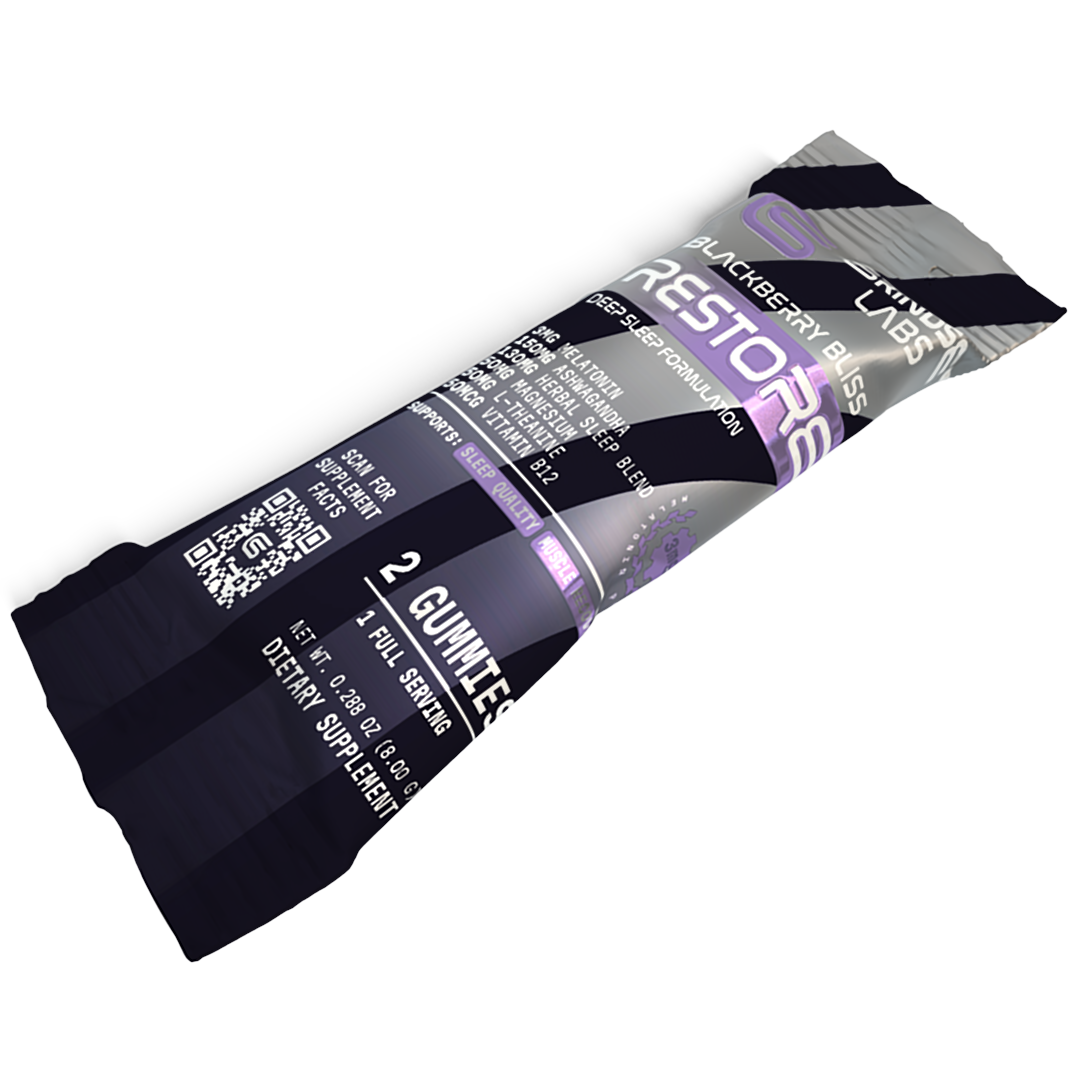
Grindset Labs formulates every ingredient with transparency and third-party testing. Review the full ingredient breakdown and sourcing data on the Grindset Labs product page before adding anything to your stack.
Conclusion — Deep Sleep Is a Non-Negotiable Performance Variable
There is no shortcut around deep sleep. No supplement, no strategy, and no amount of motivation replaces the biological work that slow-wave sleep performs every night. But there is also no performance variable more consistently ignored — or more consistently improvable with the right inputs.
Understanding what deep sleep is, what it does, and what disrupts it puts you in a position to protect it deliberately. The habits are straightforward. The environment adjustments are practical. And the compounded benefits — in recovery, cognition, hormonal health, and daily output — are some of the highest-return investments available in any performance system.
At Grindset Labs, recovery is part of the stack. Start with the foundation: get the biology right, build the routine around it, and let the rest compound.
Ready to build a complete recovery system? Explore all Grindset Labs products and find the right combination for your daily performance routine.
FAQs
How much deep sleep do adults actually need?
Most adults need between 60 and 90 minutes of slow-wave sleep per night, which represents roughly 15 to 20 percent of a full night. Because deep sleep is concentrated in the first third of the night, getting to bed on time and avoiding disruptions in the early hours of sleep is more important than total time in bed.
Can you make up for lost deep sleep?
You can partially recover some slow-wave sleep following deprivation — the brain preferentially increases SWS during recovery nights. However, chronic deep sleep loss creates cumulative deficits in hormonal output, glymphatic clearance, and immune function that cannot be fully reversed with a single recovery night. Consistency matters more than occasional catch-up sleep.
Does deep sleep decline with age?
Yes. Slow-wave sleep decreases significantly with age — adults in their 60s may have as much as 70 to 80 percent less slow-wave sleep than young adults. This is one of the reasons recovery from training and illness slows with age, and why sleep optimization strategies become increasingly important as part of a long-term performance and health plan.
What does alcohol do to deep sleep specifically?
Alcohol suppresses slow-wave sleep even at moderate doses. While it may help you fall asleep initially, it fragments sleep architecture in the second half of the night, reduces total deep sleep time, and increases REM disruption. The result is lower recovery quality even when total sleep hours appear adequate.
Do sleep tracking devices accurately measure deep sleep?
Consumer wearables use heart rate variability and movement to estimate sleep stages, and while they are not as precise as clinical polysomnography, they are useful for identifying trends in your sleep architecture over time. Use them as directional data — consistent improvement in estimated deep sleep time is a meaningful signal — rather than as clinical-grade diagnostics.