

Introduction — Sleep Is Part of the Grind
Most people obsess over their workouts. They track their reps, dial in their nutrition, and spend hours optimizing their supplement stack. But the one variable that quietly controls everything — muscle growth, energy, and mental sharpness — often gets treated like an afterthought. That variable is sleep.
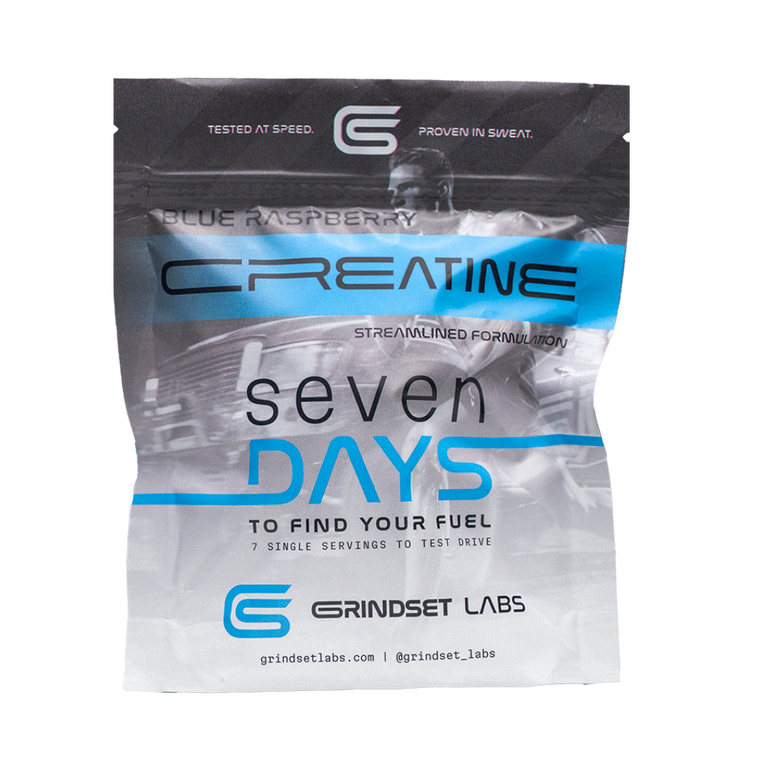
At Grind Set Labs, the philosophy has always been simple: consistent performance comes from consistent habits. And no habit matters more to your daily output than how well you recover overnight. Whether you're hitting the gym at 6 a.m., grinding through long work shifts, or simply trying to show up sharp every day, sleep is the foundation everything else is built on.
This guide breaks down exactly how sleep drives muscle repair, restores your energy, and keeps your focus dialed in — and what you can do to protect it.
What Happens to Your Muscles While You Sleep
Your muscles don't grow in the gym. They grow while you rest. Every time you train, you create microscopic tears in your muscle fibers. Sleep is when your body goes to work repairing those tears and building them back stronger.
The first mechanism is hormonal. During deep sleep stages — specifically slow-wave sleep — your body releases the majority of its daily human growth hormone (HGH). This hormone directly drives muscle protein synthesis, converting amino acids into new muscle tissue. Skimping on sleep cuts this hormonal window short, which means less repair and less growth regardless of how hard you trained.
The second mechanism is protein synthesis timing. Research consistently shows that the body's ability to synthesize muscle protein is significantly elevated during sleep. When combined with proper pre-sleep nutrition — particularly protein intake — this window becomes one of the most productive periods of your entire recovery cycle.
The third factor is cortisol regulation. Poor sleep increases cortisol, your body's primary stress hormone. Elevated cortisol in a chronic state is catabolic — it actively breaks down muscle tissue. Sleep deprivation tips the hormonal scale from anabolic (building) to catabolic (breaking down), the exact opposite of what every gym session is trying to achieve.
Before you fine-tune your supplement approach, make sure your recovery stack is clean and transparent. Check out our guide on how to choose safe supplements and what to look for — and confirm every ingredient is actually working for you.
How Poor Sleep Kills Your Energy Levels
Anyone who has pushed through a full day after a bad night's sleep knows the feeling: sluggish, foggy, unmotivated. But what's actually happening inside your body when sleep is cut short?
At a cellular level, energy production depends on ATP — adenosine triphosphate. Your cells generate ATP through a process that requires adequate recovery time. When you sleep, your body replenishes glycogen stores in the liver and muscles, restores cellular repair processes, and allows the phosphocreatine system to fully recharge. Sleep deprivation disrupts all of this.
Creatine and the phosphocreatine system play a central role here. Your body uses phosphocreatine to rapidly regenerate ATP during high-output moments — whether that's a heavy set of squats, a sprint, or a mentally demanding task at work. When sleep is poor, this system never fully recovers overnight. You start the next day with a depleted energy reserve before you've even done anything.
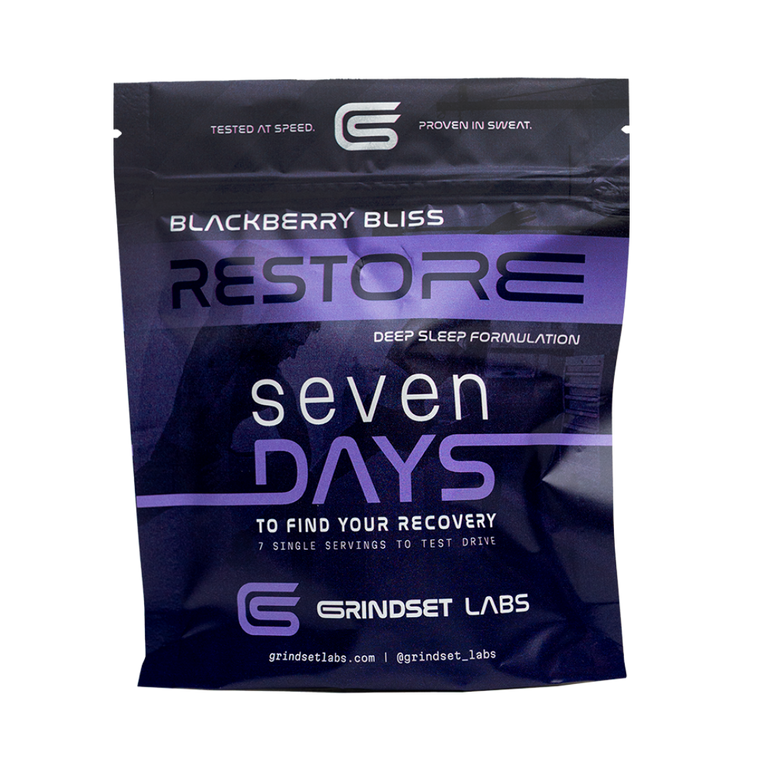
Beyond the cellular level, sleep deprivation disrupts leptin and ghrelin — the hormones that regulate drive and appetite. This biochemical combination makes it significantly harder to sustain clean eating habits, creating a cascade effect that undermines every other performance effort you're making.
Protecting your sleep isn't a passive act. Pair better rest with the right creatine gummies built for daily performance and you're giving your phosphocreatine system every advantage to bounce back overnight.
Sleep and Mental Focus: The Connection Most People Ignore
Gym performance gets most of the attention when sleep is discussed, but the cognitive cost of sleep deprivation is just as serious — and for most people, far more relevant to daily lifestyle.
Your brain consolidates memory and clears out metabolic waste products during sleep through a system called the glymphatic system. Think of it as a drainage network that only activates properly during deep sleep stages. When that system doesn't get enough time to run, you wake up with a brain that's carrying leftover cellular debris from the day before.
The result is reduced working memory, slower reaction time, compromised decision-making, and a shorter attention span. Studies have shown that even moderate sleep restriction — six hours per night for two weeks — produces cognitive impairments equivalent to being fully awake for 24 hours.
Creatine has emerged in recent research as a compound that may support cognitive function, particularly in conditions of mental fatigue and sleep deprivation. The brain uses the same ATP-phosphocreatine energy system as your muscles. Supporting that system may offer an additional layer of mental support on mornings when rest was shorter than ideal.
Explore how Grind Set Labs Creatine+ is formulated to support both physical and cognitive performance as part of your daily routine.
How Much Sleep Do You Actually Need?
The answer varies — but less than most people use as an excuse. The general consensus from sleep researchers is 7 to 9 hours per night for most adults. Athletes and people engaged in regular high-intensity training often need to sit at the higher end of that range because of the additional physiological repair demands placed on the body.
What matters almost as much as duration is consistency. Your body operates on a circadian rhythm — an internal 24-hour clock that regulates hormone release, digestion, temperature, and hundreds of other biological processes. Going to bed at wildly different times every night disrupts this rhythm even if you're technically getting enough hours.
Signs that you're chronically underslept: difficulty waking without an alarm, heavy reliance on caffeine, poor afternoon focus, declining gym performance, and noticeable mood instability. These are physiological signals — not personality traits — that your body needs more recovery time.
Sleep Hygiene Habits That Actually Work
Building better sleep starts with structure. These habits consistently show up in the research as effective:
Keep a consistent sleep schedule. Go to bed and wake up at the same time every day — including weekends. This is the single most impactful change most people can make.
Reduce blue light exposure in the evening. Screens emit blue light that suppresses melatonin production. Powering down devices 60 to 90 minutes before bed can meaningfully improve how quickly you fall asleep and how deep your sleep becomes.
Keep your room cool and dark. Body temperature naturally drops as part of sleep onset. A room between 65–68°F supports this process. Blackout curtains eliminate light disruption.
Limit caffeine after noon. Caffeine has a half-life of around five to six hours. A 3 p.m. coffee still has half its effect at 8–9 p.m., delaying sleep onset even if you don't feel wired.
Wind down with intention. A simple routine — light stretching, reading, or a quiet 10-minute walk — signals your nervous system that it's time to shift out of high-alert mode.
Understanding how daily habits compound over time is the key to lasting performance. Read more about building a performance-driven daily routine and see how sleep fits into a broader framework of consistent results.
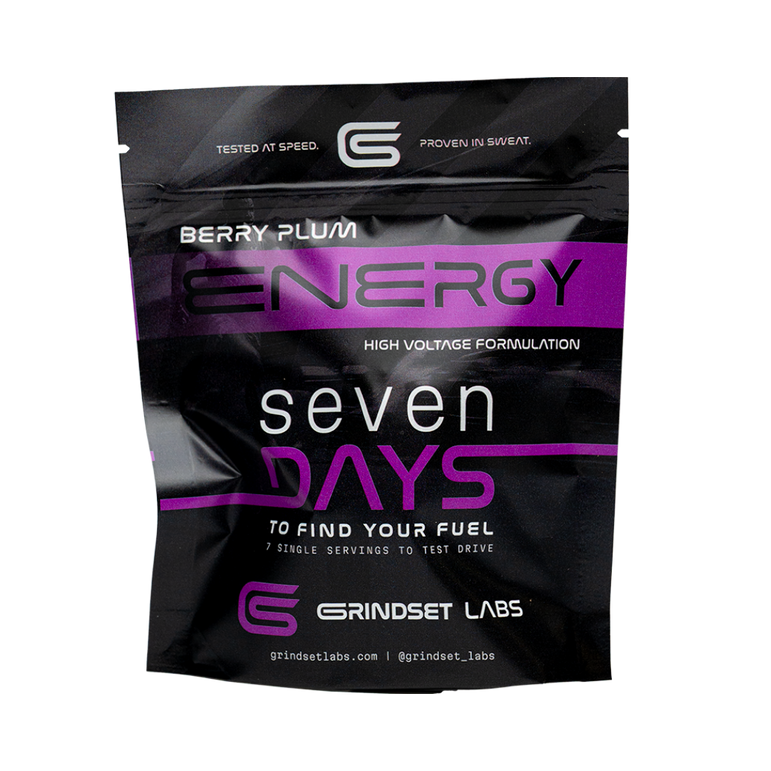
How Nutrition and Supplements Support Better Sleep and Recovery
What you eat and supplement in the hours before bed has a direct impact on sleep quality and overnight muscle recovery.
Protein timing matters more than most people realize. Consuming 30 to 40 grams of a slow-digesting protein like casein before sleep has been shown in multiple studies to elevate overnight muscle protein synthesis rates, keeping the anabolic window active while you rest.
Magnesium is another commonly overlooked factor. Many adults are deficient in magnesium, and this deficiency is directly linked to poor sleep quality, increased muscle cramping, and elevated stress hormones. Whole food sources like leafy greens and pumpkin seeds are a good start — targeted supplementation can fill the gap.
Creatine, while not a traditional sleep aid, supports overall recovery by keeping cellular energy systems primed. Since your body's phosphocreatine stores are replenished during rest, maintaining consistent daily creatine intake ensures those systems are ready to reload fully overnight. Think of it as keeping your battery's charging capacity at its peak.
Avoiding heavy, high-fat meals within two to three hours of sleep also makes a real difference — large meals force your digestive system to compete with the repair processes your body is trying to prioritize.
Building a Nightly Routine Around Performance
High performers in every field share one underappreciated habit: they treat the end of the day with as much intention as the beginning. A performance-oriented evening routine doesn't need to be complicated. It needs to be consistent. Here's a simple framework to build around:
- 8:00 PM — Final meal or protein shake. Keep it light and protein-forward.
- 8:30 PM — Wind down: dim lights, step away from screens.
- 9:00 PM — Light stretching or mobility work to release tension from the day's training.
- 9:30 PM — Take any evening supplements. Review tomorrow's plan to clear your mental slate.
- 10:00 PM — Lights out. Same time every night.
The goal isn't perfection. It's repeatability. A routine you can stick to six nights out of seven will outperform a 'perfect' routine you follow twice a week.
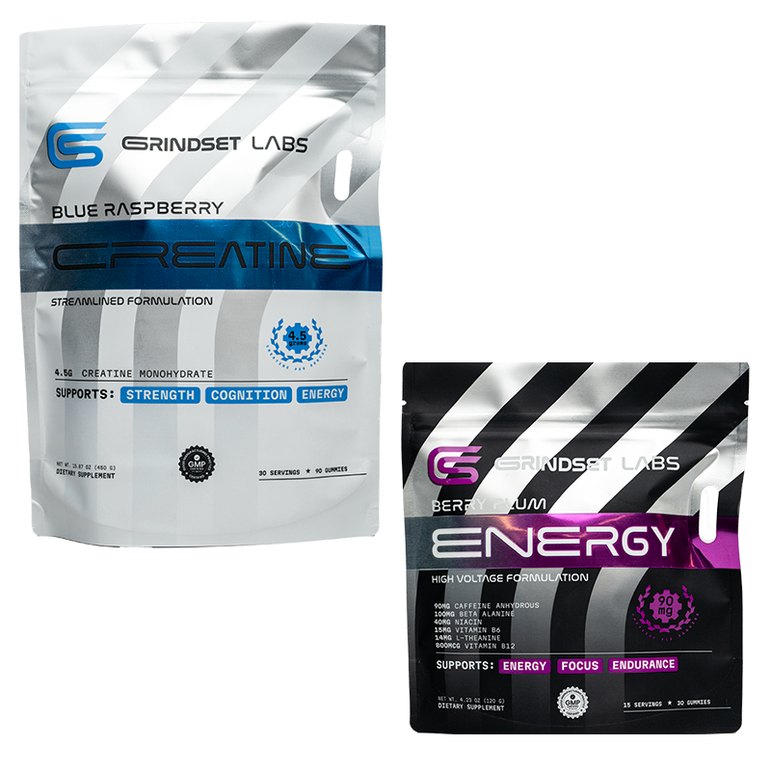
When your recovery stack is dialed in alongside your sleep habits, the compounding effect is significant. See how Grind Set Labs energy gummies fit into an active daily lifestyle and how to time your supplement use around both training and rest.
Conclusion — Rest Is a Non-Negotiable Part of Your Routine
The grind doesn't stop when you go to sleep. It shifts. Your body takes everything you put into it during the day — the training, the nutrition, the discipline — and converts it into real results while you rest. Shortchange that window, and you shortchange every rep, every meal, and every choice you made in the hours before.
Muscle grows during sleep. Energy restores during sleep. Focus sharpens during sleep. These aren't soft wellness talking points — they're basic physiology.
At Grind Set Labs, every formula is built to support your full performance cycle — not just the active hours. Transparent ingredients, clean dosages, and products designed to work while you work and while you rest.
Build the sleep habit. Pair it with the right support. And let the results compound.
FAQs
How does sleep affect muscle growth? During deep sleep, your body releases human growth hormone and elevates muscle protein synthesis rates — the two primary drivers of muscle repair and growth. Without adequate sleep, this process is significantly limited regardless of training quality or diet.
Can poor sleep reduce my energy even without physical activity? Yes. Sleep deprivation depletes glycogen stores and disrupts the phosphocreatine energy system that powers both physical and mental output. You can feel low-energy even on rest days if your sleep is consistently poor.
How many hours of sleep does an active person need? Most active adults performing regular resistance or high-intensity training benefit from 8 to 9 hours per night. Consistency in sleep timing matters just as much as total duration.
Does creatine help with sleep recovery? Creatine supports cellular energy systems that are replenished during rest. While it isn't a sleep aid, maintaining daily creatine intake keeps your phosphocreatine system primed to recover more efficiently overnight.
What is the best thing to eat before bed for muscle recovery? A slow-digesting protein source like casein protein or cottage cheese consumed 30 to 60 minutes before bed has been shown to increase overnight muscle protein synthesis and support recovery during sleep.